

Why Connection Comes First
Connection is not emotional fluff.
It is not a buzzword.
It is not soft.
Connection is infrastructure.
It is the invisible architecture holding up your family, your leadership, your business, your nervous system, and your sense of self.
When connection is present, people function at their highest capacity.
When it’s missing, everything fractures.
The Hill I Will Die On...
If you've ever been in a room with me, you already know this is where I get fired up. Connection is not a theme in my work. It is the foundation.
The quiet force behind everything I build, teach, and design. I have some pretty strong feelings on it.
And this is my website so I can do whatever I want, welcome to my most inner thoughts about why connection will change the world.
You've seen it...
A child who suddenly “acts out.”
A team that can't rely on each other.
A partnership that becomes one-sided.
A leader who burns out carrying everything alone.
We try to fix behavior.
We try to fix communication.
We try to fix productivity.
But underneath it all?
Connection has eroded.
And nothing functions well without it.
This Isn’t Philosophical.
It’s Biological.
Humans are wired for connection — not metaphorically, but physiologically.
From birth, our nervous systems develop through other people. Regulation is co-created long before it is self-generated.
Research in attachment science, neuroscience, and stress physiology consistently shows attuned presence lowers cortisol, feeling understood signals safety to the nervous system, and chronic disconnection keeps the body in fight, flight, or freeze.
A dysregulated nervous system cannot think clearly, learn effectively, make strategic decisions, access creativity, or sustain leadership.
You cannot “mindset” your way out of survival mode.
Connection is what brings the body back into safety.
And safety is what unlocks function.
The Brain Develops Through Relationship
Brains are shaped by relational input.
When someone feels accurately seen and understood:
neural pathways for empathy and problem solving strengthen
executive functioning improves
emotional resilience increases
When someone feels chronically misunderstood or unseen:
stress responses dominate
higher-order thinking shuts down
reactivity increases
This is why disconnected people often appear unmotivated, overly sensitive, difficult, or checked out.
They are not broken. They are overwhelmed.
Connection restores access to the thinking brain.
Disconnection Is A Health Risk
Large scale research shows that chronic loneliness and social disconnection are associated with increased mortality, comparable to smoking and other major risks.
Strong senses of connection correlate with:
lower inflammation
Stronger immune function
lower rates of depression and anxiety
increased longevity
Connection is not emotional wellness or self-care... It is a health infrastructure.
But What Actually is Connection?
Connection is not constant closeness or emotional intensity.
Connection is the experience of being accurately understood.
A person feels connected when:
their emotions make sense to someone else
their needs are recognized and respected
their differences are accounted for, not corrected
their internal experience matches how they are treated externally
their efforts are noticed
Connection is the bridge between inner experience and external reality.
When that bridge collapses, people adapt by:
masking or pretending
over-functioning
shutting down
controlling
disconnecting from themselves
Why Systems Fail Without Connection
Most systems don't fail because people aren't capable.
They fail because they were built without relational awareness.
Families default to control or giving up.
Schools and workplaces default to compliance.
Leaders default to over-function.
When connection is missing, structure becomes rigid instead of supportive.
But when connection is prioritized:
Accountability exists without shame.
Boundaries exist without fear.
Flexibility exists without chaos.
Growth happens with ease.
Understanding & Connection make systems sustainable.
And Then Comes the Confidence
Confidence does not begin with achievement or praise.
It begins with connection.
When someone feels connected:
they trust their internal signals
they take risks
they recover from failure faster
they don't collapse when challenged
Without connection, people may perform -- but
they never feel secure.
Self-esteem is not self-generated.
It is relationally formed.
Why This Matters Now More Than Ever
We are living in a time of chronic stress overload and digital overwhelm.
High stimulation.
High expectations.
Constant change.
Little integration.
Most people don't need more.
They need understanding.
They need systems that account for difference.
They need language for why conflict keeps repeating.
They need environments that support regulation instead of demanding perfection.
Connection doesn't remove hard things.
It gives you capacity to move through them without breaking.
Connection First, Always
Before strategy.
Before structure.
Before productivity.
Before performance.
Confidence starts with connection.
Resilience starts with connection.
Leadership starts with connection.
Sustainable change starts with.... you guessed it, connection.
Connection is not a soft skill. It's a non-negotiable.
Choosing a school for your child or looking for a job? Where do connection based practices sit in their values?
Leading a team or starting a business? Where do they sit in yours?
Connection is the foundation everything else must be built on.
And once you see it, you can't unsee it.
When Connection Scales, The World Shifts
Connection doesn't just support individuals. It scales.
A regulated parent raises a regulated child.
A connected leader builds a stable team.
Those team members don't burn out and are present at home.
A school that understands, reduces shame and builds confidence.
A family that accounts for difference interrupts generational patterns.
A business that accounts for difference grows confident and capable adults.
Connection compounds.
When someone feels understood, they stop defending themselves.
When people stop defending, they start listening.
When people start listening, systems can change without collapsing.
Disconnection fuels control, fear-based leadership, shame, and polarization.
Connection interrupts that cycle.
It doesn't erase conflict, it makes it navigable.
Every major breakdown we see -- in families, organizations, communities, and leadership --traces back to a fracture in understanding and connection.
Connection is not passive.
It is the most disruptive force we have.
It changes homes.
It changes communities.
It changes culture.
Connection is not small, it is systemic.
And if enough individuals and leaders choose to prioritize it, not as a sentiment but as a foundational structure, the ripple effects are not subtle.
They are generational.
Connection is not built in theory, it's built in:
how you respond when someone is overwhelmed
how you lead when tension rises
how you design the rooms people live inside
how you choose curiosity over correction
You don't change the world by being louder.
You change it by building safer rooms.
Connection is not someone else's responsibility.
It's yours. And it starts in the next interaction you have.
What will the people around you inherit from your presence?
If you made it this far, it means you're my type of human and we should probably talk.
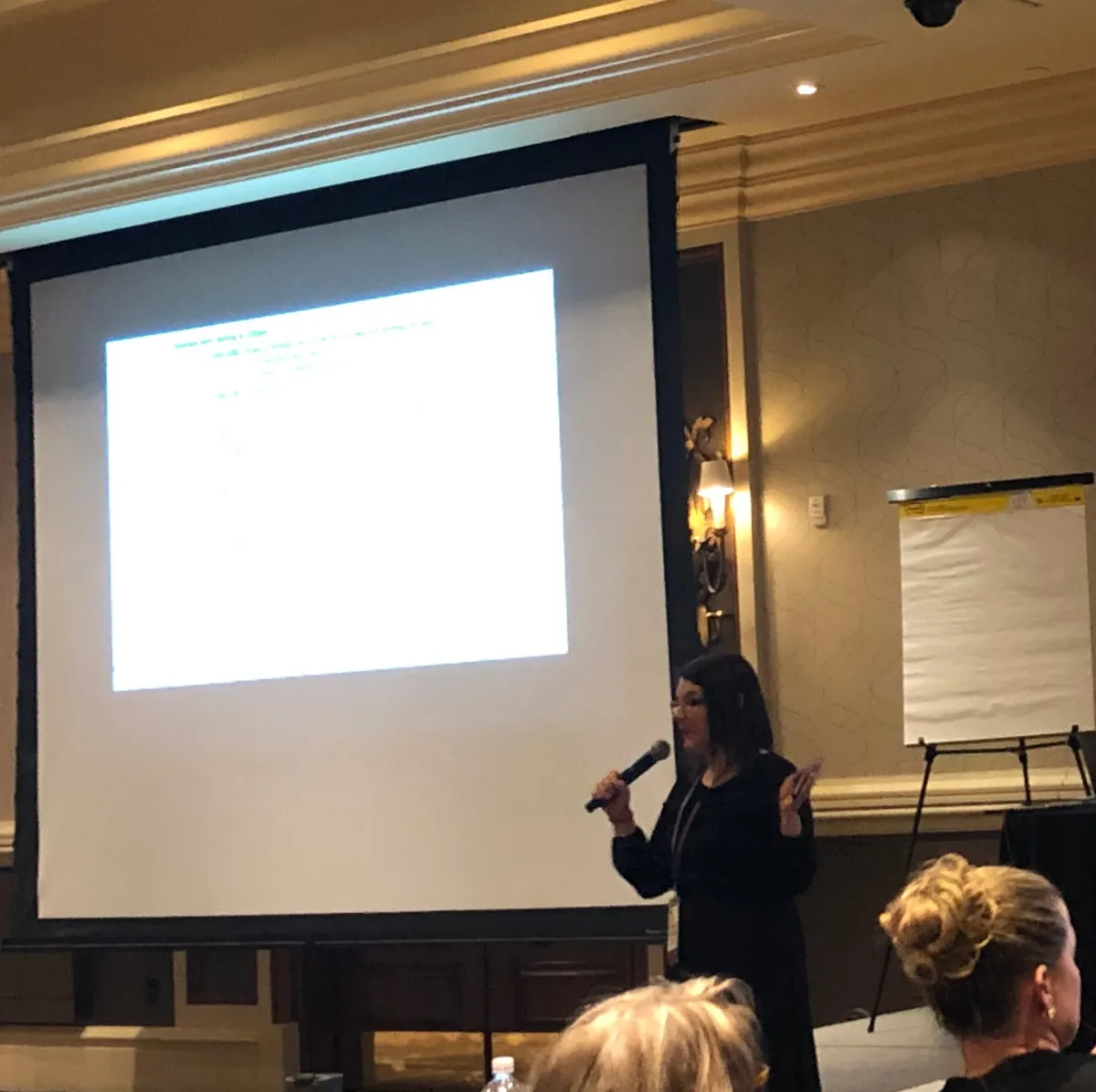
Hi, I'm Lindsay - a holistic executive coach, educator, and astrologer who specializes in human patterns.
I created the Human Support System because I saw how often capable, high-functioning people were missing opportunities to optimize connection -- not from a lack of effort, but from lack of clarity around how human's actually work.
I'm on a mission to help people design lives, families, and organizations that support connection and can't do it alone... If you're into these kinds of soap box moments and want your people to have some actionable tools to support connection, I'd love to come to have a conversation!